Back pain is not one condition
Pain across the lower back can come from muscle and joint strain, from a disc, from arthritic change in the spine, or from a nerve under pressure. Those feel broadly similar to the person having them and behave very differently under treatment.
A nerve under pressure tends to send pain down the leg in a defined path, often with pins and needles or numbness. Disc-related pain is frequently worse sitting and on bending forward. Facet and arthritic pain is often worse on extending backwards and stiffest first thing in the morning. Muscular pain moves with the muscle and eases with movement.
Which of those you have decides where treatment goes and how long a course runs, which is why the consultation covers where the pain travels, what makes it worse, what relieves it, how long it has been there and what you have already had done.
What treatment is directed at
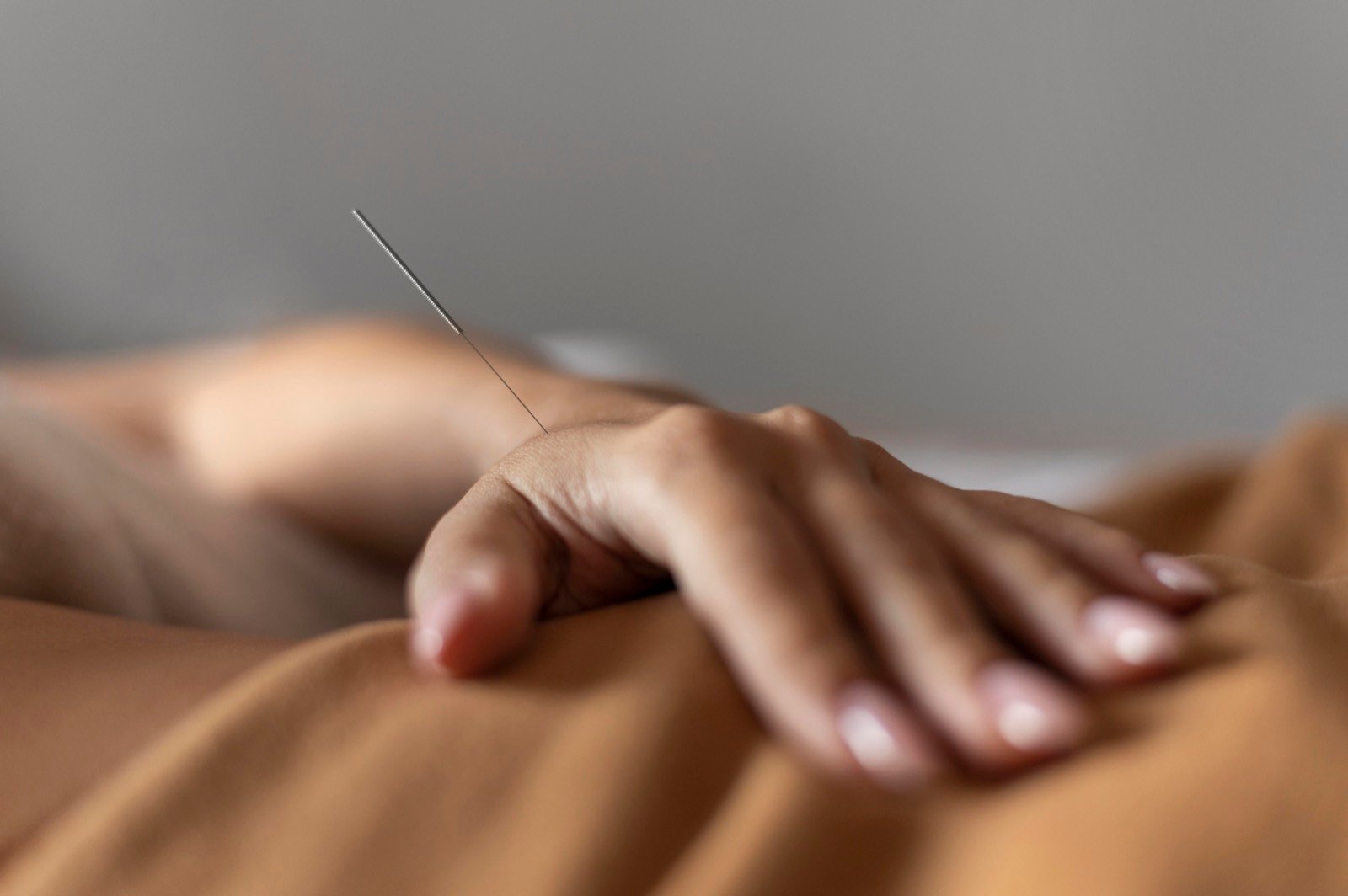
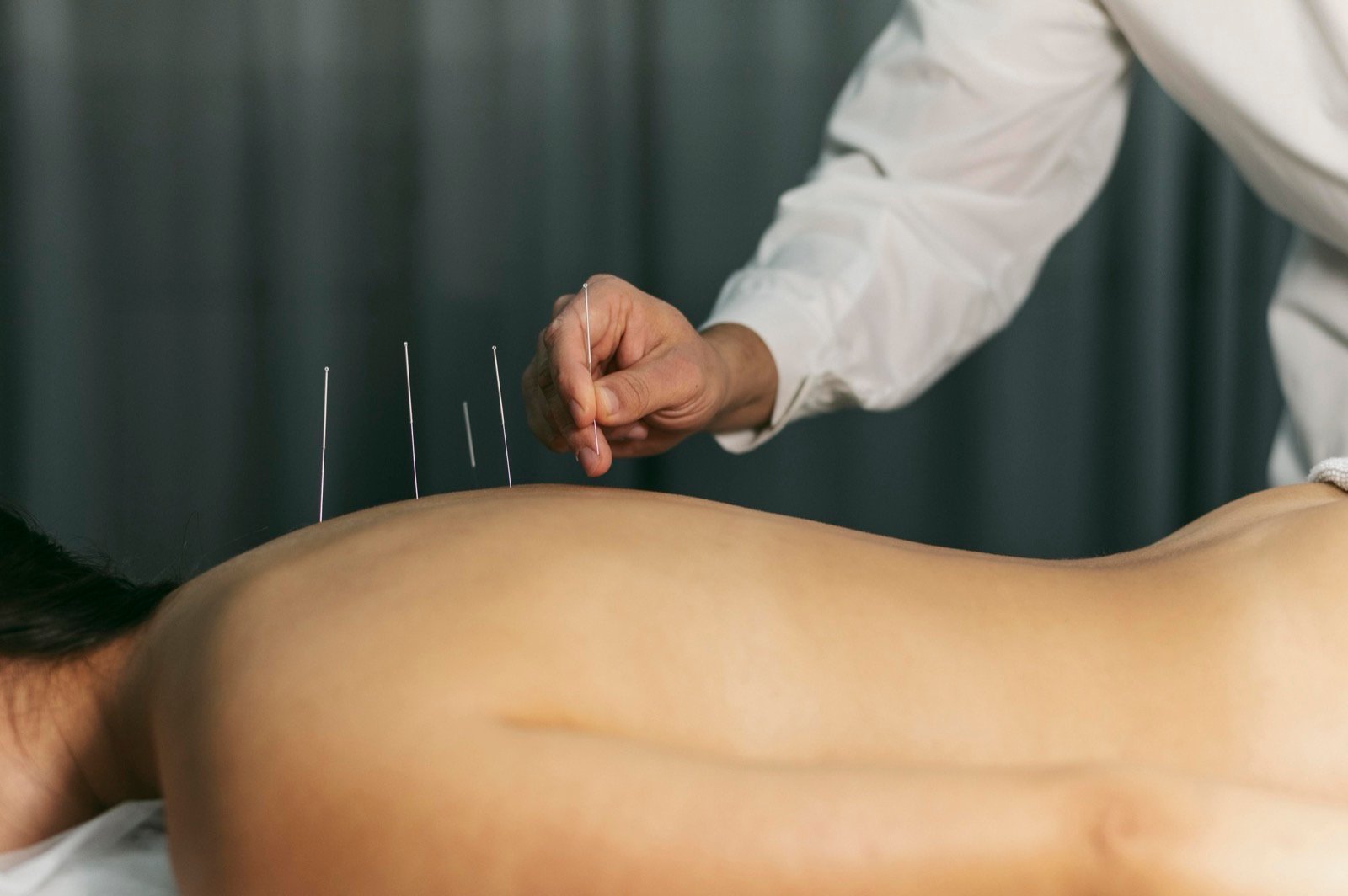
Treatment at Life Meridian works on the pain, the muscle guarding around it, and the restriction in movement that follows. Acupuncture is usually combined with acupressure, and with cupping or therapeutic massage where the muscular component is the dominant one.
Where a scan has already identified a disc problem, treatment is directed at the symptoms that come with it rather than at the disc. That distinction matters for what you should expect from a course and is worth being clear about at the first appointment.
How a course is structured
Acupuncture for back pain is not a single visit. Sessions are usually closer together at the start and spread out as the pain settles. Your practitioner sets out an expected course at the first assessment, based on how long you have had the pain and what has already been tried, and reviews it against your response as you go.
Long-standing pain generally takes longer than something recent. Pain that has already been through physiotherapy or medication without settling tends to need a different point of attack rather than simply more of the same.
Alongside what you already have
Acupuncture runs alongside the care you already have. Bring your current medicines, your diagnoses and your treatment plan to the first appointment so the practitioner can work around them, and tell whoever else is treating you that you are having acupuncture.
Where physiotherapy or a home exercise programme is part of your care, treatment here is planned to sit with it. Reduced pain and better movement are what make an exercise programme possible to do properly, so the two tend to support each other.
- Bring scans, reports and your current prescriptions
- Tell your practitioner what has already been tried
- Keep your existing appointments and exercises
- Expect a course of sessions rather than one visit