Start with the needle itself
Most of the worry about acupuncture comes from a picture people already have in their head: the needle used to take blood or give an injection. That needle is hollow, because something has to travel through it, and the wall around that channel is what gives it its width.
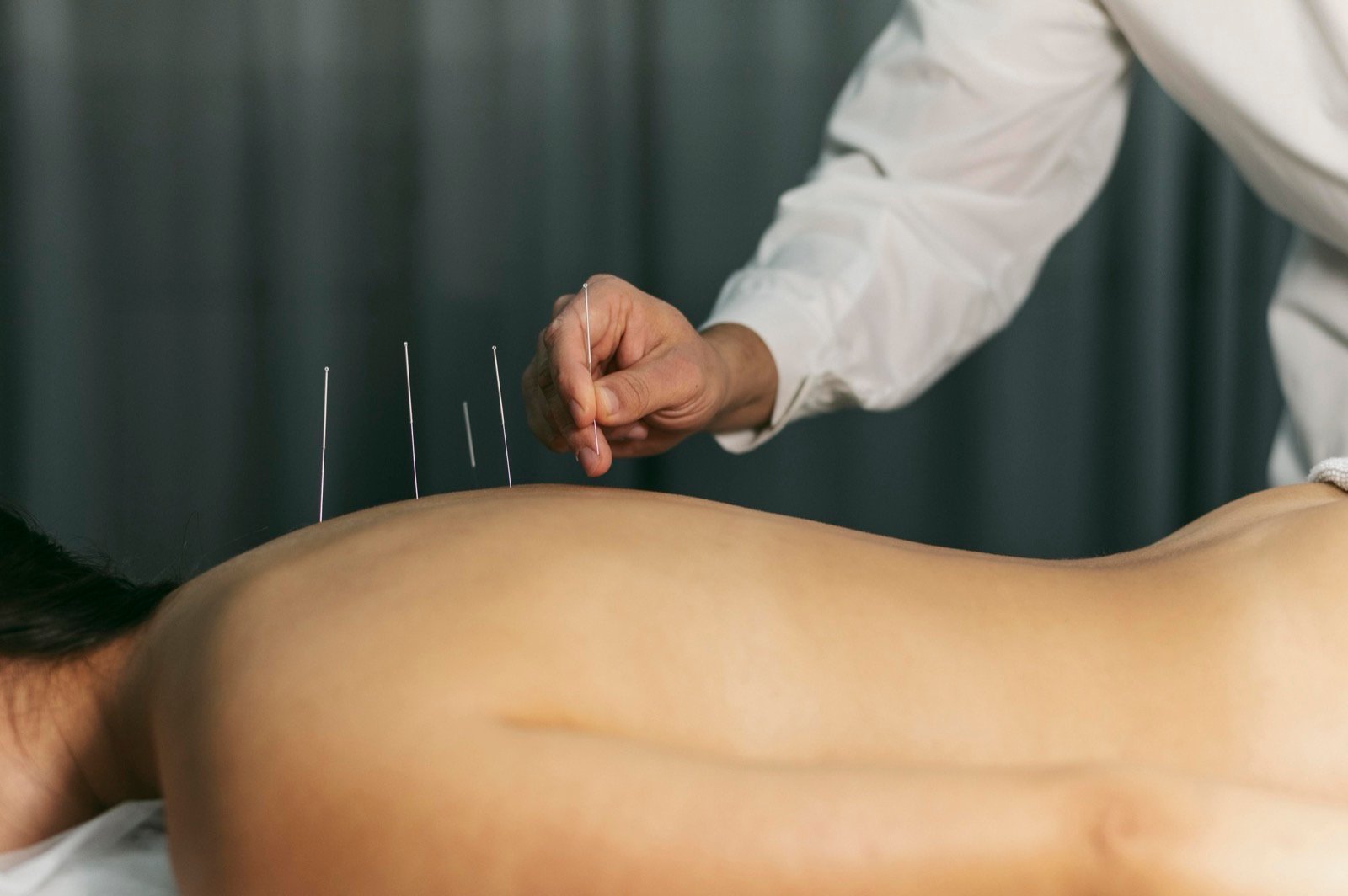
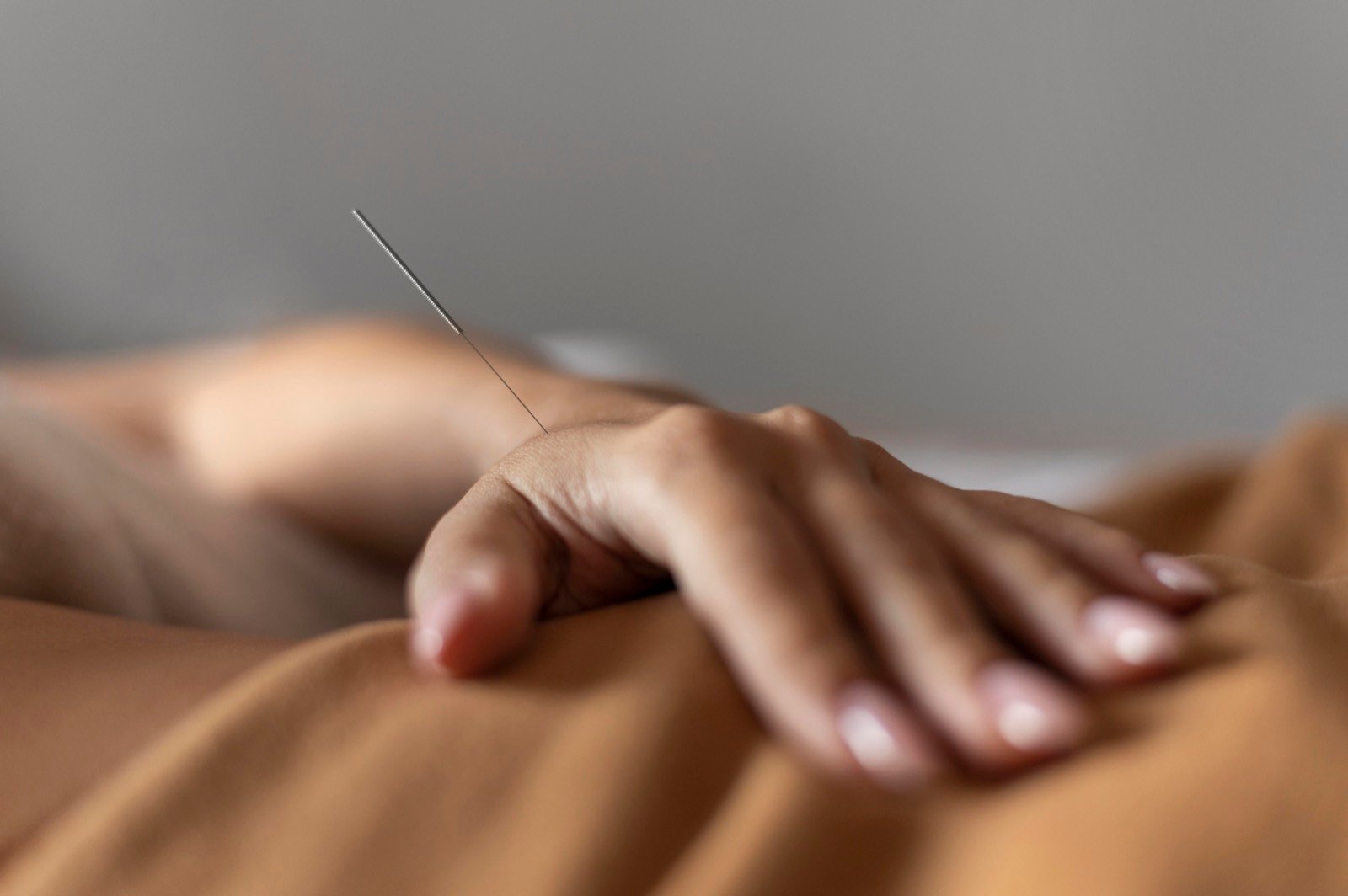
An acupuncture needle carries nothing. It is solid wire, roughly 0.16 mm across — about the width of two human hairs. You could fit a dozen of them inside the opening of a blood-draw needle. The tip is rounded rather than cut on a bevel, so it parts tissue instead of slicing it.
That difference in construction is the whole reason the sensation is different. There is no cutting edge and nothing being pushed into you.
What insertion feels like
Most people report a brief tap, or nothing at all. The needle passes through the skin, which is where nerve endings are densest, in a fraction of a second. On the arms and legs it is often unnoticed. On the hands, feet and face, where the skin is thinner and better supplied with nerves, it registers more.
What people do notice is what comes after. Once a needle is at depth, there is frequently a dull, heavy, slightly spreading feeling around it, sometimes a light ache, occasionally a sensation that travels a short way up or down the limb. In Chinese medicine this has its own name, deqi, and it is looked for rather than avoided. It is not sharp and it settles within seconds.
Sharp, hot or persistently painful is different, and it means a needle wants adjusting. Say so. Depth and position are changed within seconds and the practitioner would far rather hear it than not.
What a first session at the clinic involves
The first appointment at Life Meridian is mostly conversation. Dr Pravin takes your history — when the problem started, what makes it worse, what you have already tried, what you are currently taking — and then examines you. Bring your prescriptions, any scans and any reports with you, because the plan is built around what they show.
Needling itself takes a fraction of the visit. Needles are single-use and sterile, opened in front of you and discarded afterwards. Once they are placed you rest for a period while they stay in. Most people find this part unexpectedly restful, and a fair number fall asleep.
- History and examination before anything is decided
- The points and the method explained before treatment starts
- Single-use sterile needles, opened in front of you
- A rest period with the needles in place
- What to expect over the next day or two, and when to come back
Afterwards
Expect to feel relaxed and occasionally a little heavy or sleepy for a few hours. A small bruise at a needle site happens sometimes and fades like any other. Drink water, and keep the rest of the day gentle if you can.
Your practitioner will tell you what to expect over the next day or two and when to come back. Treatment runs as a course rather than a single visit, and the plan is reviewed at each session against how you actually responded to the last one.